Broader Impact Highlights
Engaging Underrepresented Undergraduate Students in Organic Semiconductor Research
7/1/2021 | J. Anthony & C. Risko (U. Kentucky)
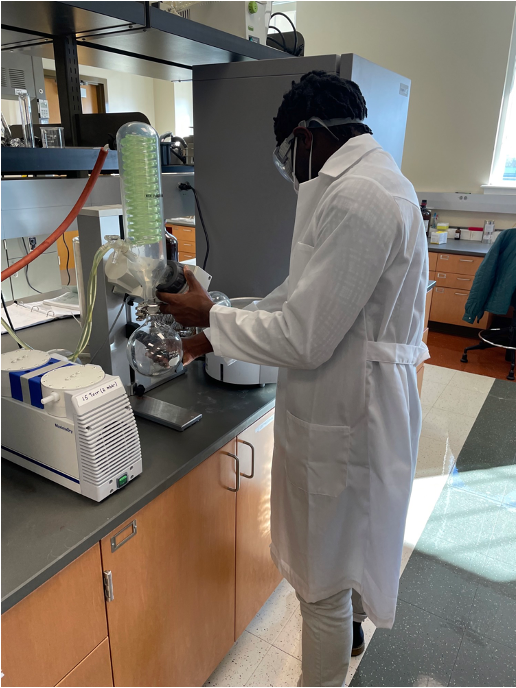
Due to COVID restrictions, it was difficult to bring undergraduate researchers into our laboratory over the Summer of 2021. So instead, we reached out to local PUI Centre College in Danville, KY, and particularly Prof. Vanessa Song, a first-year professor at that institution.
Dynamic Control of Hierarchical Soft Materials via Molecular Design and 3-D Printing
10/19/2020
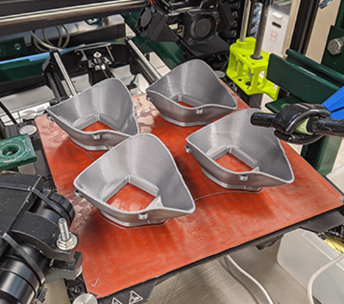
The grant has helped support an outreach program for high school girls of grades 9-12 co-organized by the Women in Engineering Program at University of Illinois. Over the past year, we added brand new activities introducing molecular assembly through fun exercises on liquid crystals, nucleation and growth, and shape memory alloys. Further, visiting students were excited to experience 3D printing of chocolate during our outreach program.
Supporting the COVID Community
8/1/2020 | Seth Marder and Carlos Silva (Georgia Tech.)
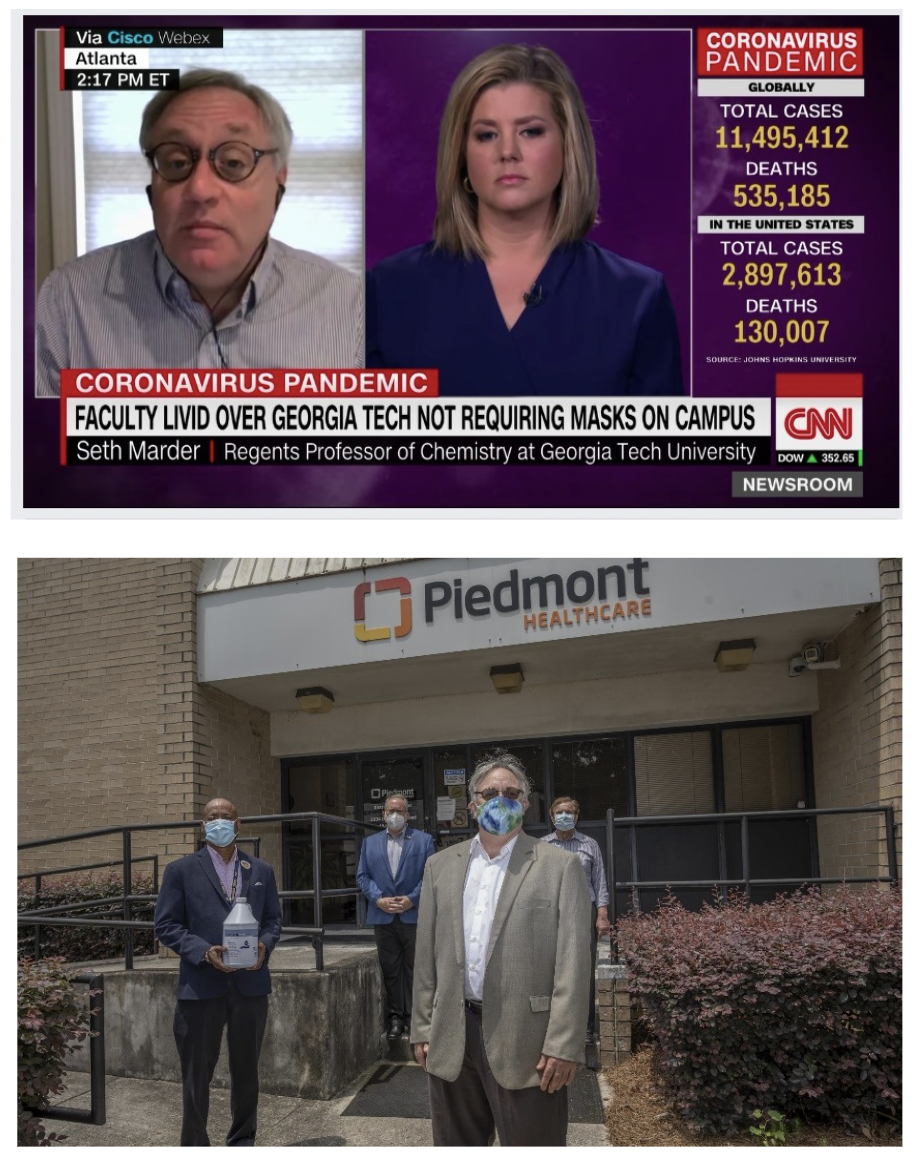
PI Marder has been very active in the last six months on broader impact activities pertaining to
Chemically Responsive Liquid Crystals
6/16/2020 | Nicholas L. Abbott, Manos Mavrikakis, Robert J. Twieg
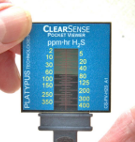
This NSF DMREF project team has collaborated with Platypus Technologies LLC to develop wearable liquid crystalline sensors for monitoring human exposure to toxic gases. The need for wearable sensors to detect Cl2 and other toxic gases, which emerged from discussions with Platypus Technologies LLC, motivated our NSF DMREF team to design new classes of chemically responsive liquid crystals to meet this societal need.
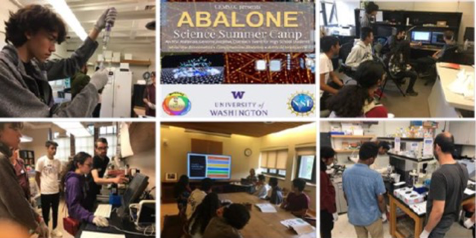
GEMSEC AbaloneTM Summer Science Camp
4/3/2020
The camp focuses on molecular biomimetics, computational modeling, and introductory AI and deep learning. High school students conduct work on science projects, attend lectures, and present their findings.
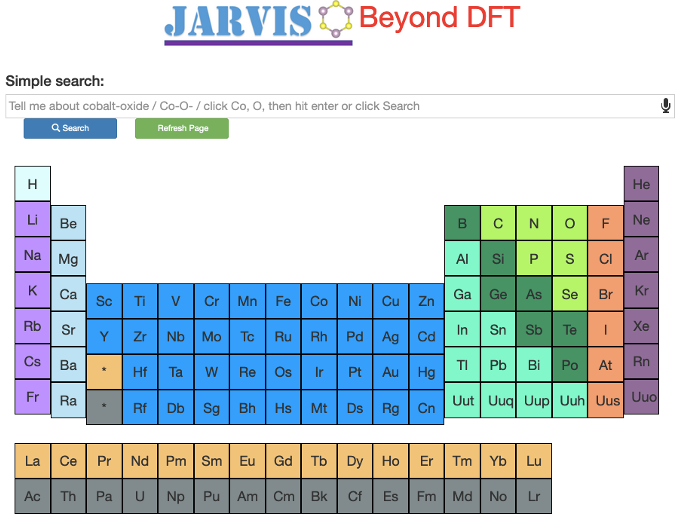
DMR-2D Data Framework Integration
1/1/2020 | David Vanderbilt
Existing materials databases, constructed in the spirit of the Materials Genome Initiative, are built almost exclusively by DFT engines, and thus frequently make incorrect predictions for correlated materials. Here, instead, a wide spectrum of materials are systematically characterized by a variety of DFT and beyond-DFT level theories.
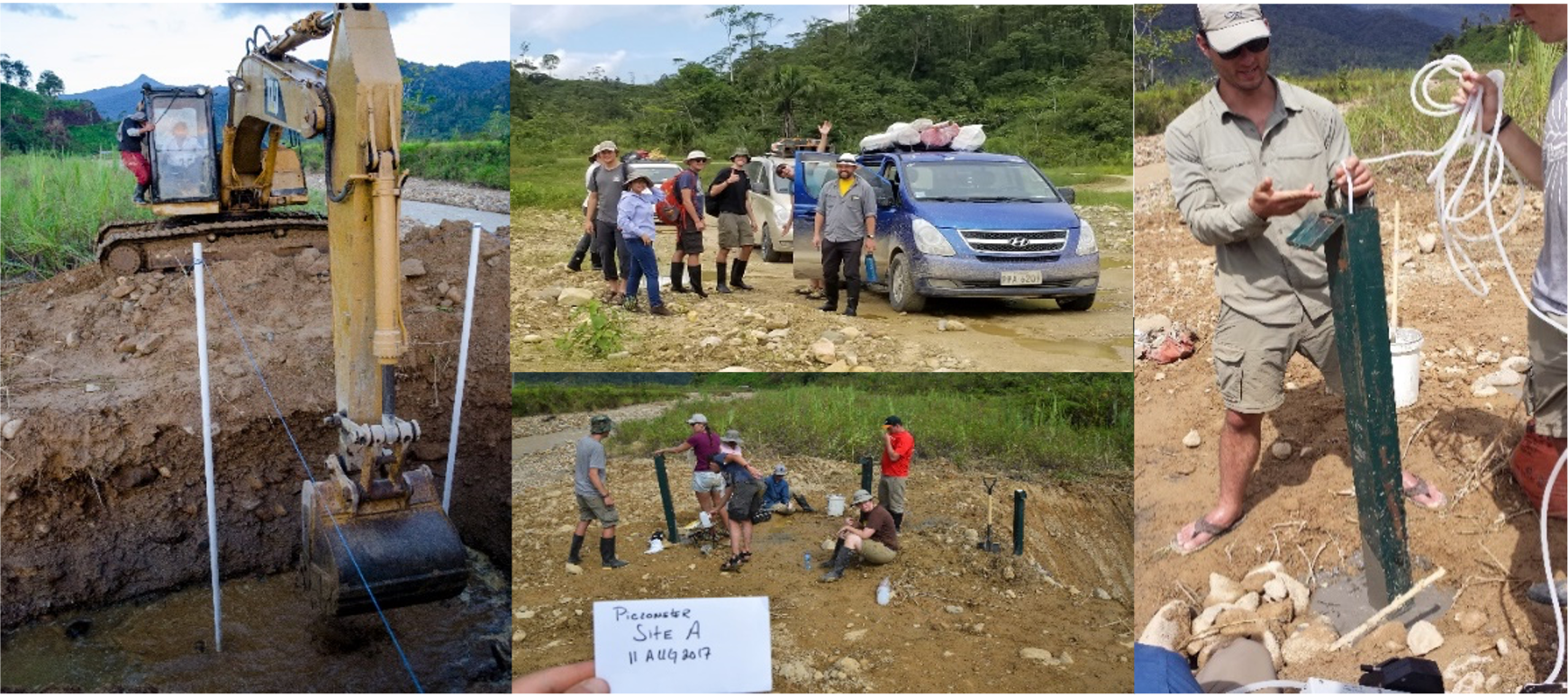
Interface-promoted Assembly and Disassembly Processes for Rapid Manufacture of Complex Hybrid Nanomaterials
11/14/2019
PI Johnson, M.S. candidate Erickson and Ph.D. candidate Cesar Ron led Learning Abroad courses in Ecuador in August 2017 and 2018. Of particular interest to this project is the development of Lateral Channel Biofiltration systems to simultaneously achieve two critical goals: a) drive lateral seepage through alluvium and thereby focus deposition of particle-bound contaminants and precious metals in target alluvial zones between contaminated rivers and constructed lateral channels for later exploitation by miners; b) improve the quality of water in constructed lateral channels for exploitation by locals
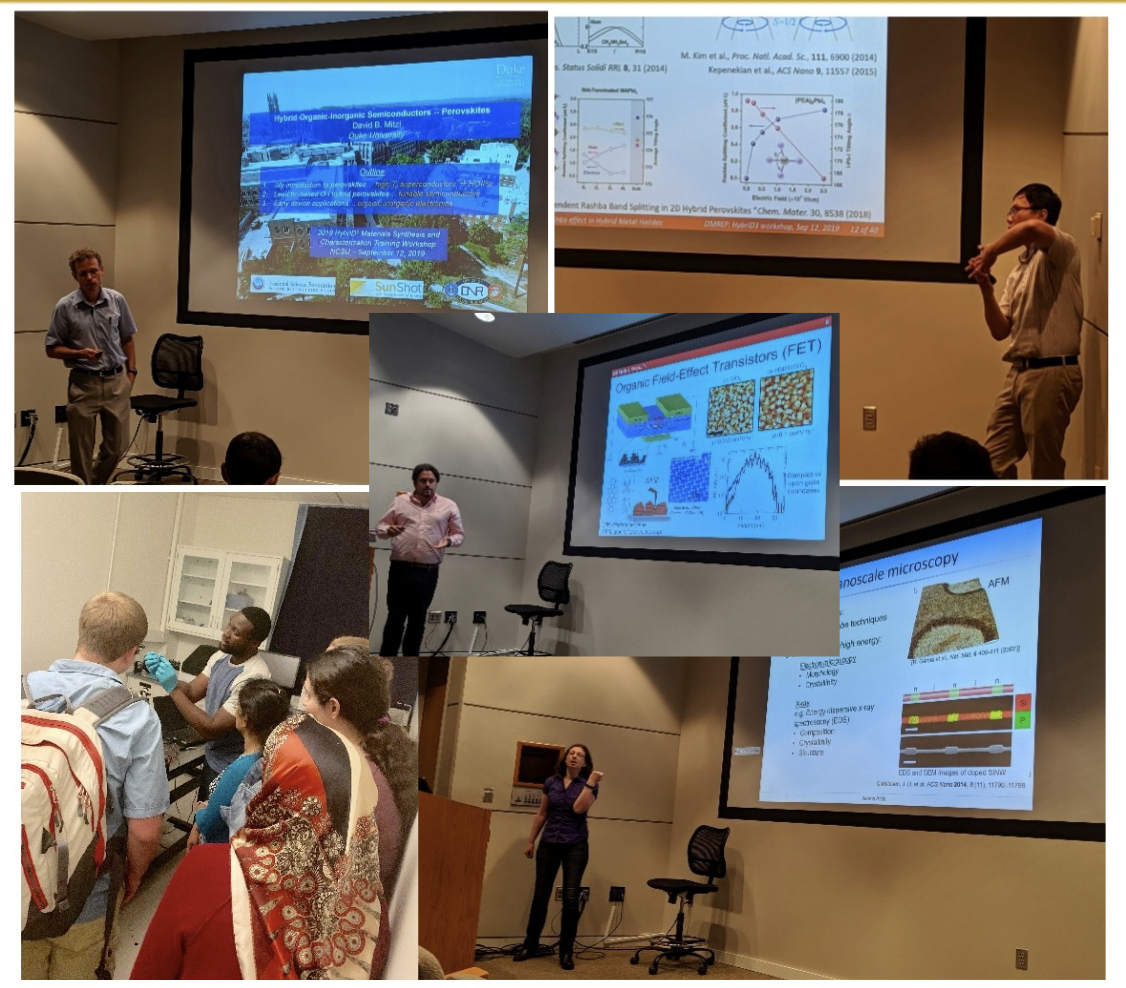
HybriD3 Experiment Training Workshop
9/13/2019 | V. Blum, D Mitzi (Duke); W. You, Y. Kanai (U. NC)K. Gundogdu, F. So (NC St. U.)
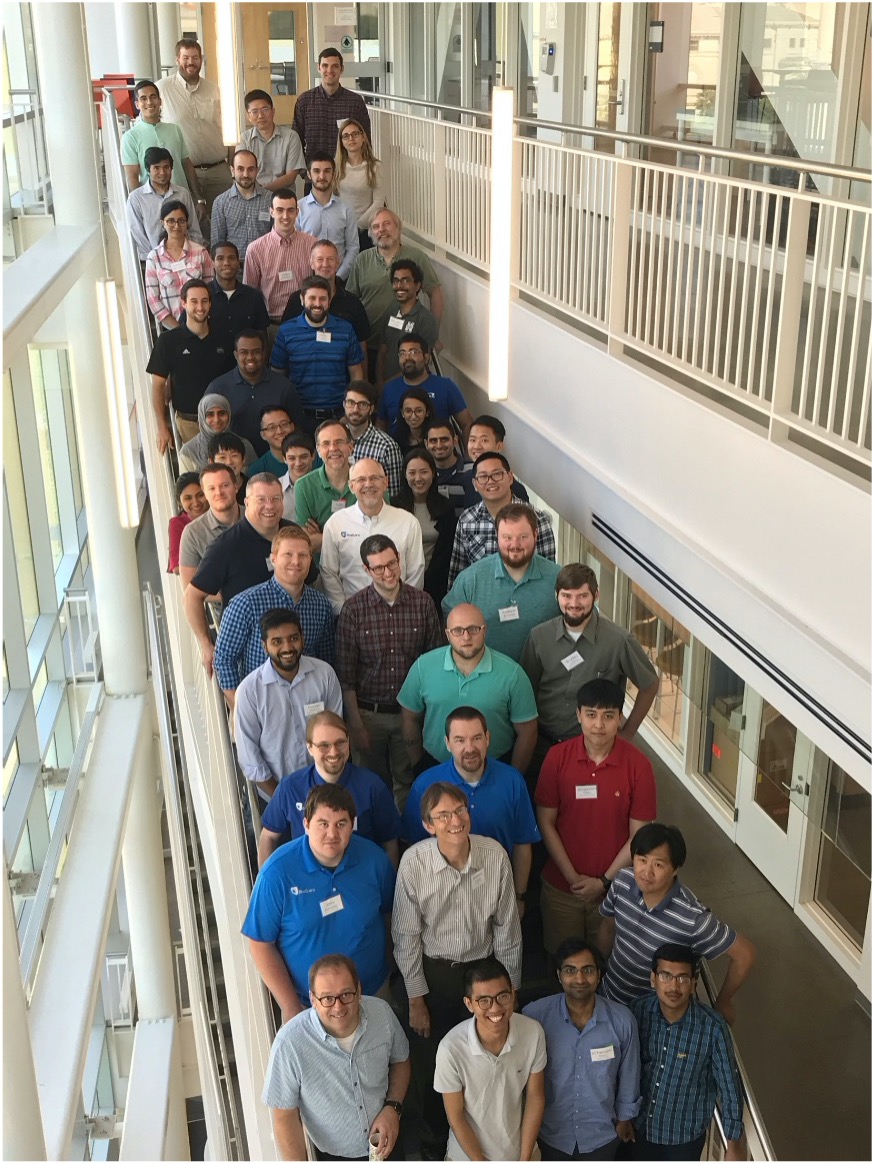
We organized an experimental training workshop on September 12-13, 2019 at NC State University. The workshop was aimed to introduce emerging concepts in the experimental material sciences to early career scientist including postdoctoral researchers, graduate and undergraduate students.
Methods for 3D Microstructure Studies Workshop
8/21/2019
The broader impact of the workshop was the transmission of skills and tools developed as part of this project to dozens of other scientists in the US and abroad.
HybriD3 Theory Training Workshop
9/29/2018 | W. You, Y. Kanai (U. NC); D. Mitzi, V. Blum (Duke U.)
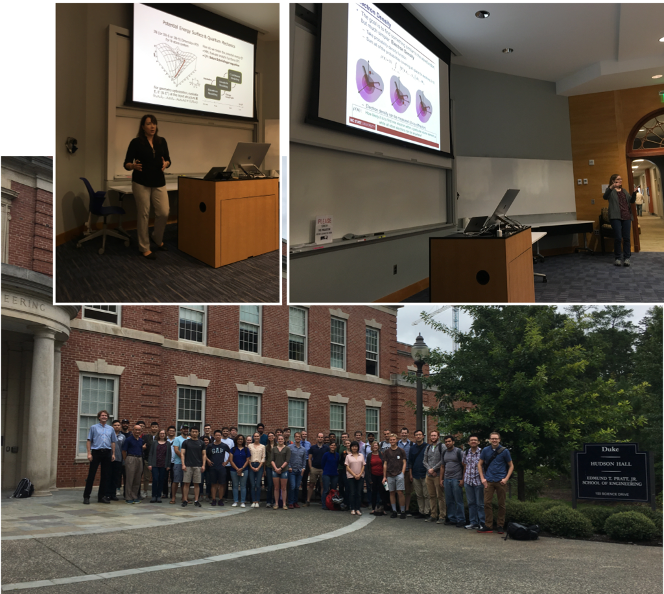
The concepts behind our computational approaches were highlighted to a group of approximately sixty participating students and early-career post-doctoral researchers based at North Carolina Universities at a dedicated training workshop on September 28-29, 2018.
Showing 51 to 60 of 74