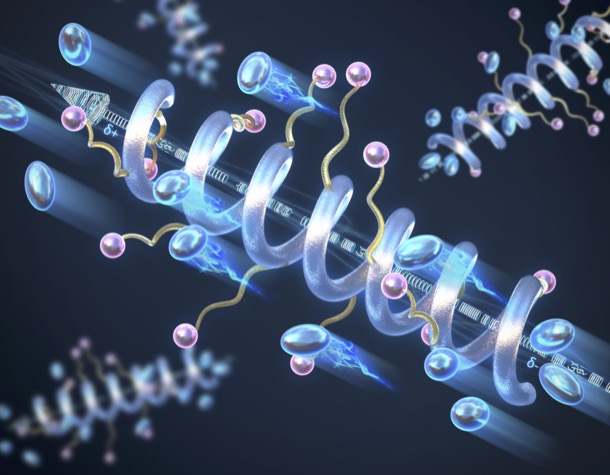
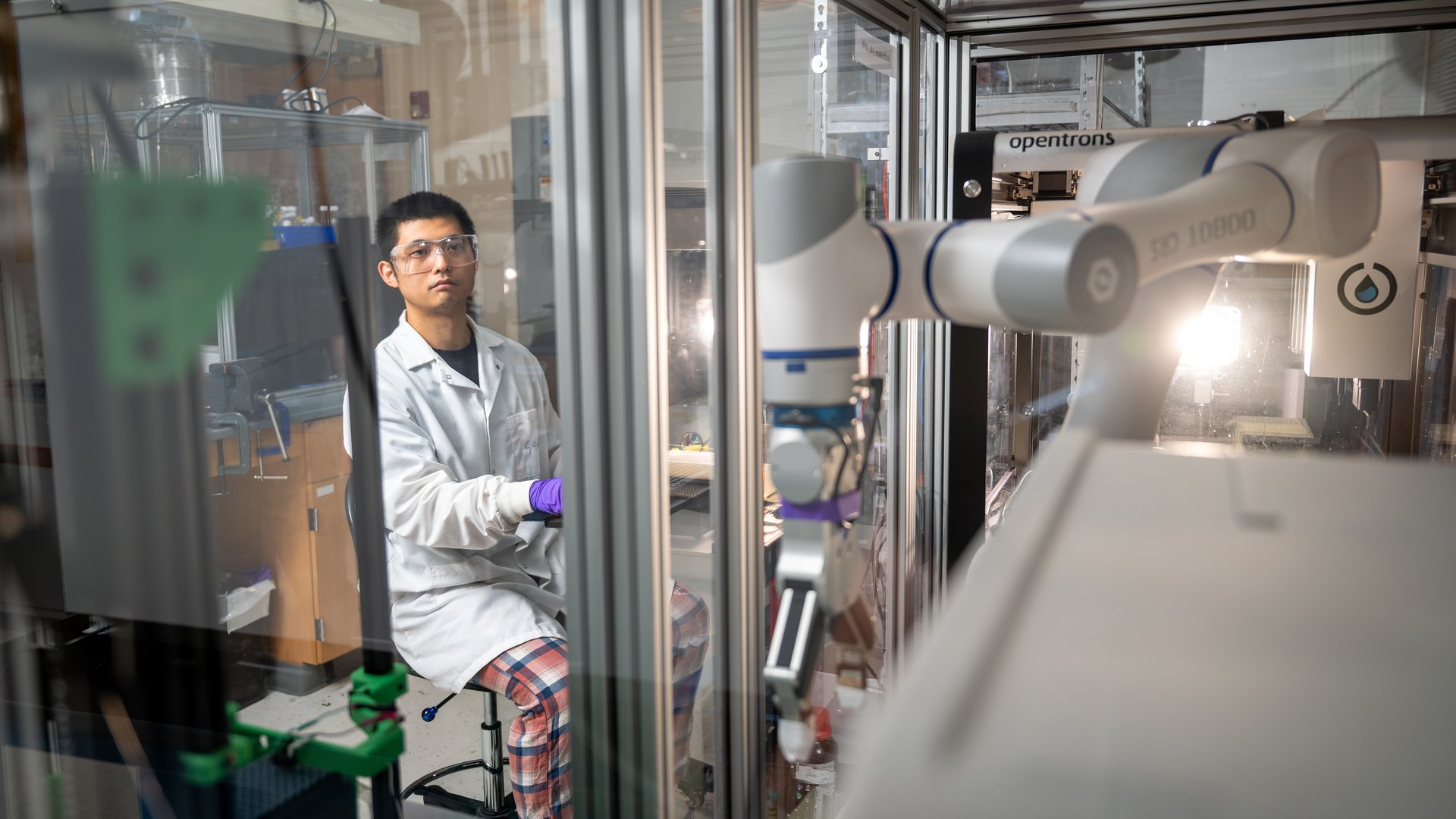
The 2025 NSF DMREF cohort highlights the breadth of modern materials design, with 25 new NSF-funded projects spanning AI-driven discovery, clean manufacturing, energy storage, quantum technologies, microchips, catalysts and bioelectronics. From the search for practical superconductors to electrified cement production and autonomous materials laboratories, the cohort reflects how researchers are combining computation, experimentation and human creativity to accelerate materials innovation.
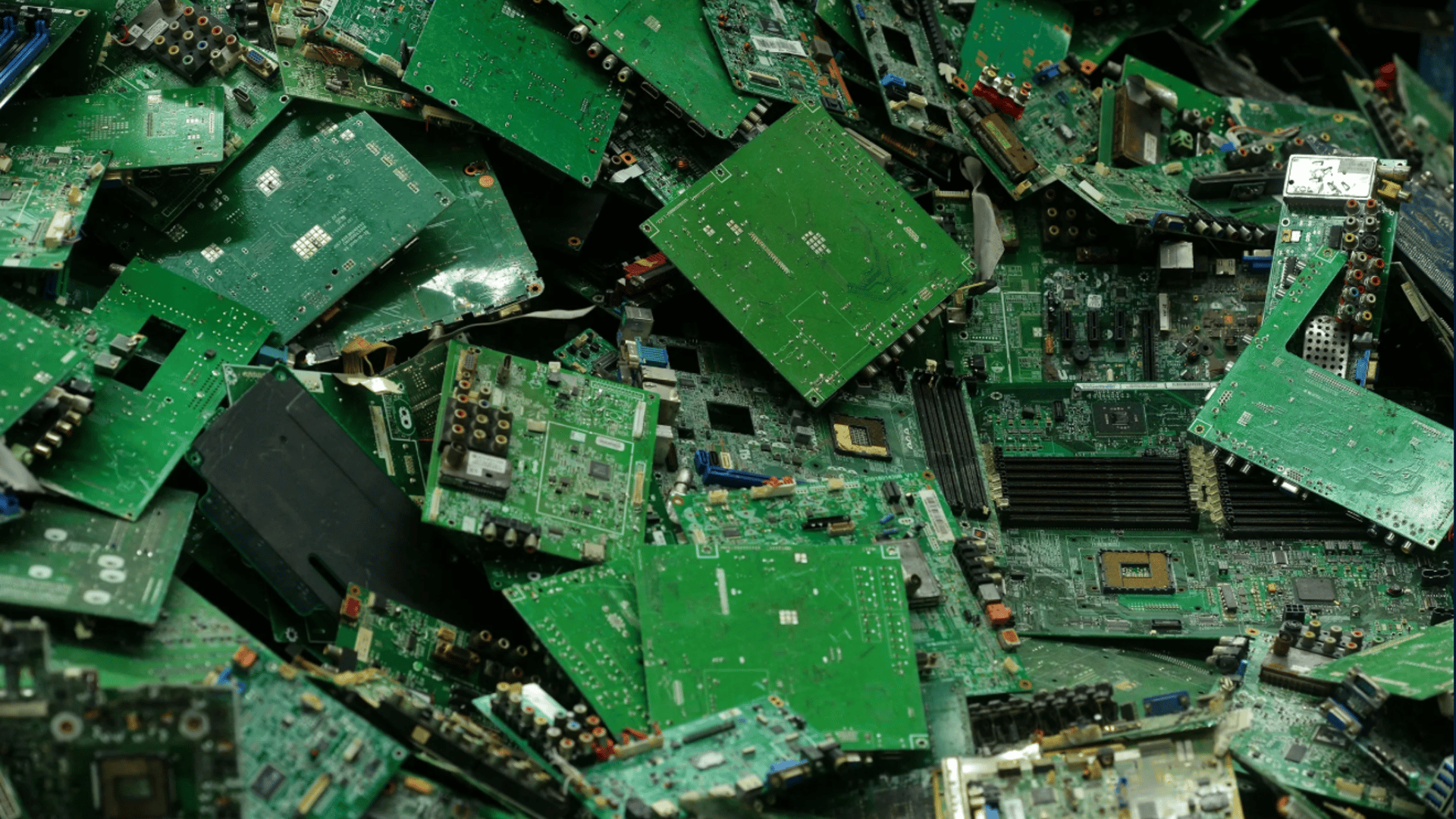
Rare-earth elements and platinum group metals are essential to everyday technologies, but recovering them remains difficult and waste-intensive. A NSF DMREF team is designing new electrode materials that could make the process cleaner, more selective and more efficient.
Open software and accessible data are central to the NSF DMREF approach, helping researchers analyze complex materials datasets, compare findings, and build on one another’s work. The NSF DMREF Software & Data Resources page highlights publicly available tools and databases developed by NSF DMREF teams, from AQUAMI, BARCODE, and PDFitc to specialized resources such as the HybriD³ Materials Database, Magnetic Materials Database, and OCELOT. Together, these resources show how NSF DMREF supports both research discoveries and the digital infrastructure that makes materials discovery more open, reusable, and collaborative.
Ready for the 2026 MRS Fall Meeting in Boston, Massachusetts? The event promises to bring together the global materials research community for a week of innovation. Also consider submitting an abstract; the deadline to do so is June 17. Learn about this and other upcoming events on the NSF DMREF news and events page.
Developing a new material can take years or even decades. NSF DMREF was created to help make that process faster, more predictive, and more collaborative by bringing together computation, theory, data, artificial intelligence, synthesis, characterization, and experiment. That matters because materials are often the limiting factor behind major technologies — from cleaner energy systems and safer batteries to faster electronics, stronger infrastructure, better medical devices, and more efficient manufacturing. By connecting people and methods across disciplines, NSF DMREF helps shorten the path from fundamental discovery to practical use.