Research Highlights
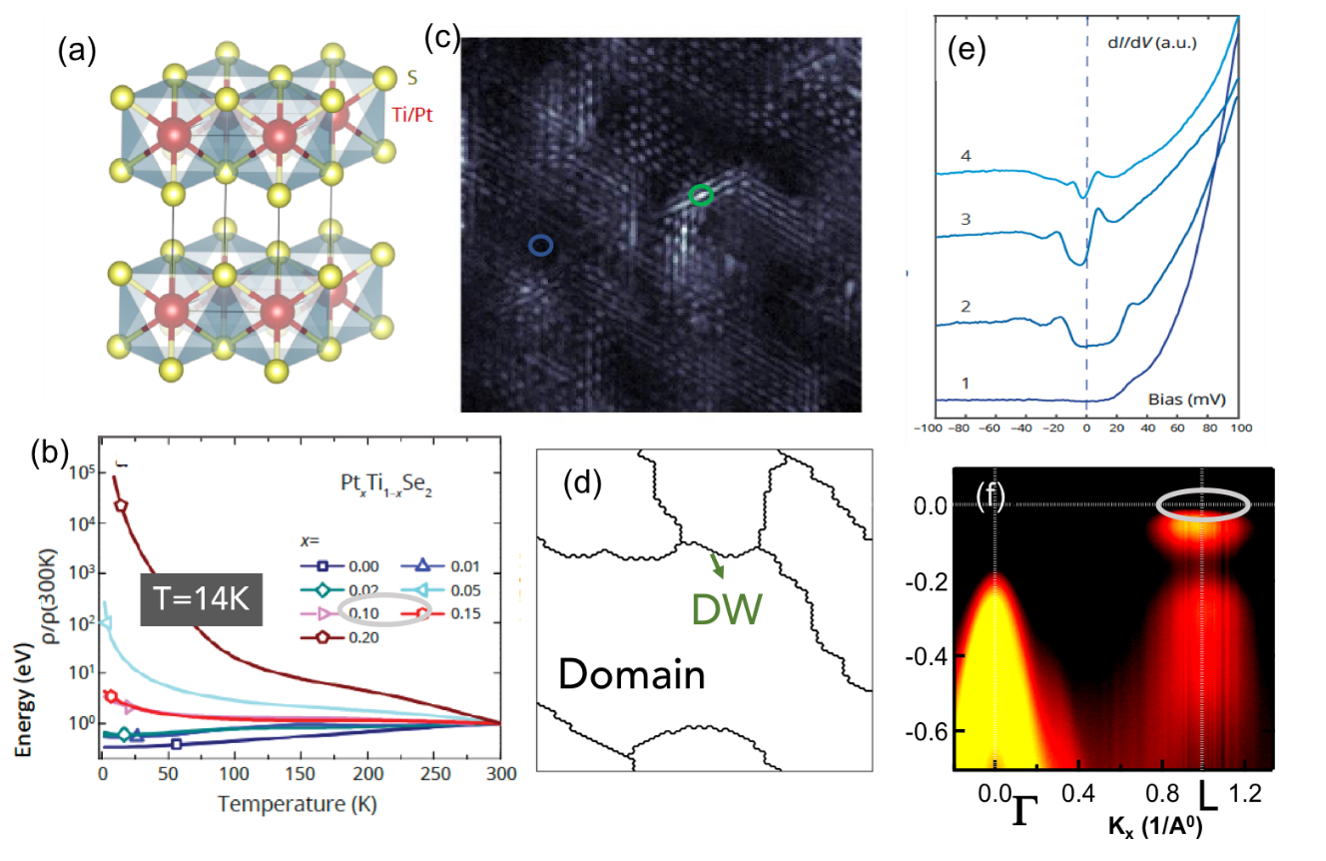
Emergent Network of Narrow Transport Channels
1/22/2021 | N. Trivedi (OH St. U.), V. Madhavan (UIUC), U. Chatterjee (U. VA), E. Morosan (Rice U.)
(a) Crystal structure of 1T-TiSe2 with Pt substituting for Ti; (b) temperature-dependent transport, STM showing topography (c) and spectroscopy (e), (d) schematic of domain walls, ARPES showing pseudogap formation at the L point.
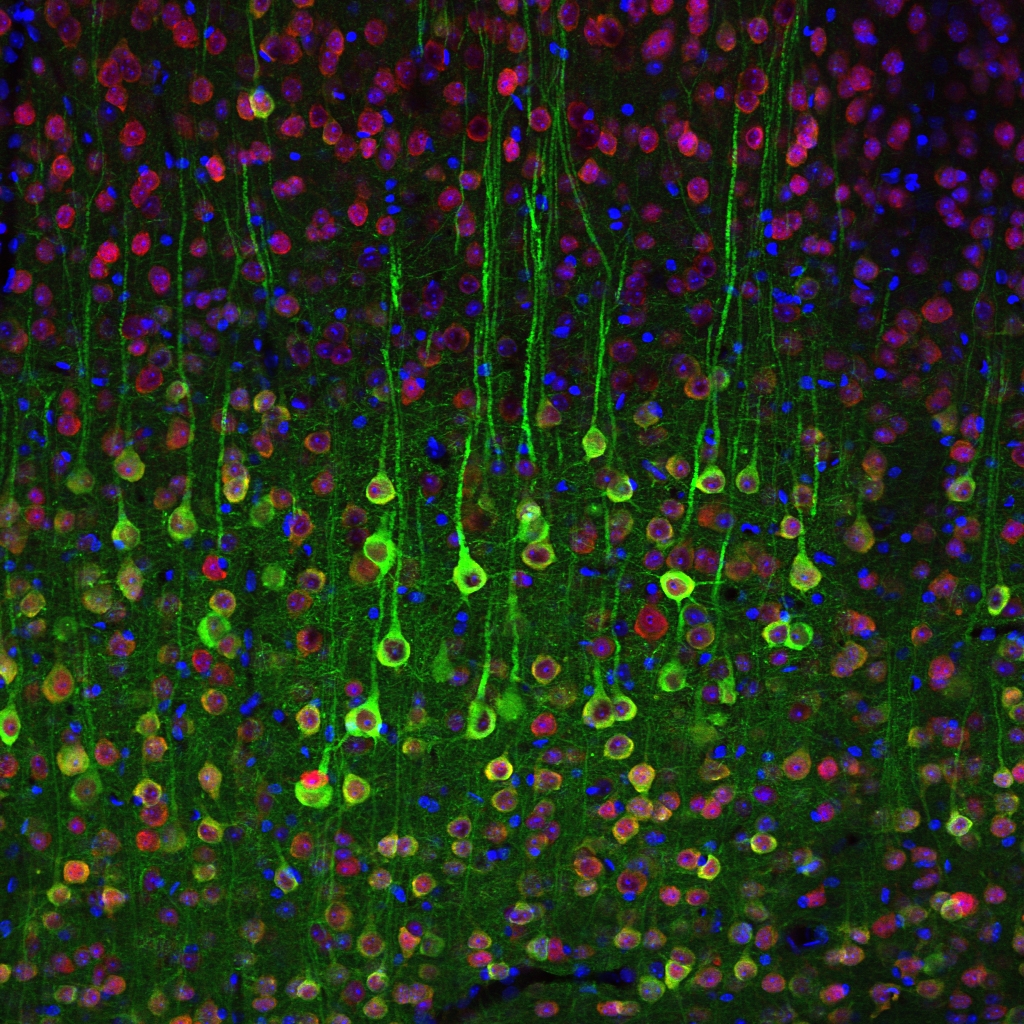
Combining Experiment and Computation to Control Doping in Thermoelectric Materials
1/15/2021 | Elif Ertekin (UIUC), Eric Toberer (CO Schl. Mines), and Michael Toney (Stanford U.)
The structural evolution along the alloy between the ordered vacancy compound Hg2GeTe4 and Cu2HgGeTe4 was quantified as this alloy space is correlated with major changes in the carrier concentration. The alloy shows strong local ordering despite four distinct cationic species (Cu, Ge, Hg, vacancies) at high concentration. Further, the results indicated that the CuHg defects are driving the carrier concentration in the Cu2xHg2−xGeTe4 alloy
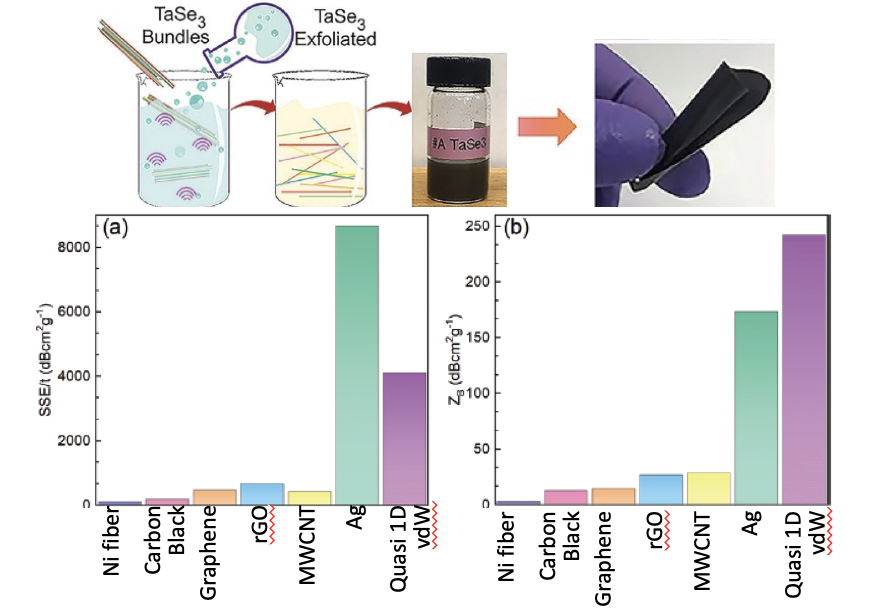
Efficient Electromagnetic Shields in the GHz and Sub-THz Frequency Bands
1/1/2021 | Alexander Balandin (U. California – Riverside)
These novel films are promising for high-frequency communication technologies, which require electromagnetic shielding films that are flexible, lightweight, corrosion resistant, inexpensive, and electrically insulating.
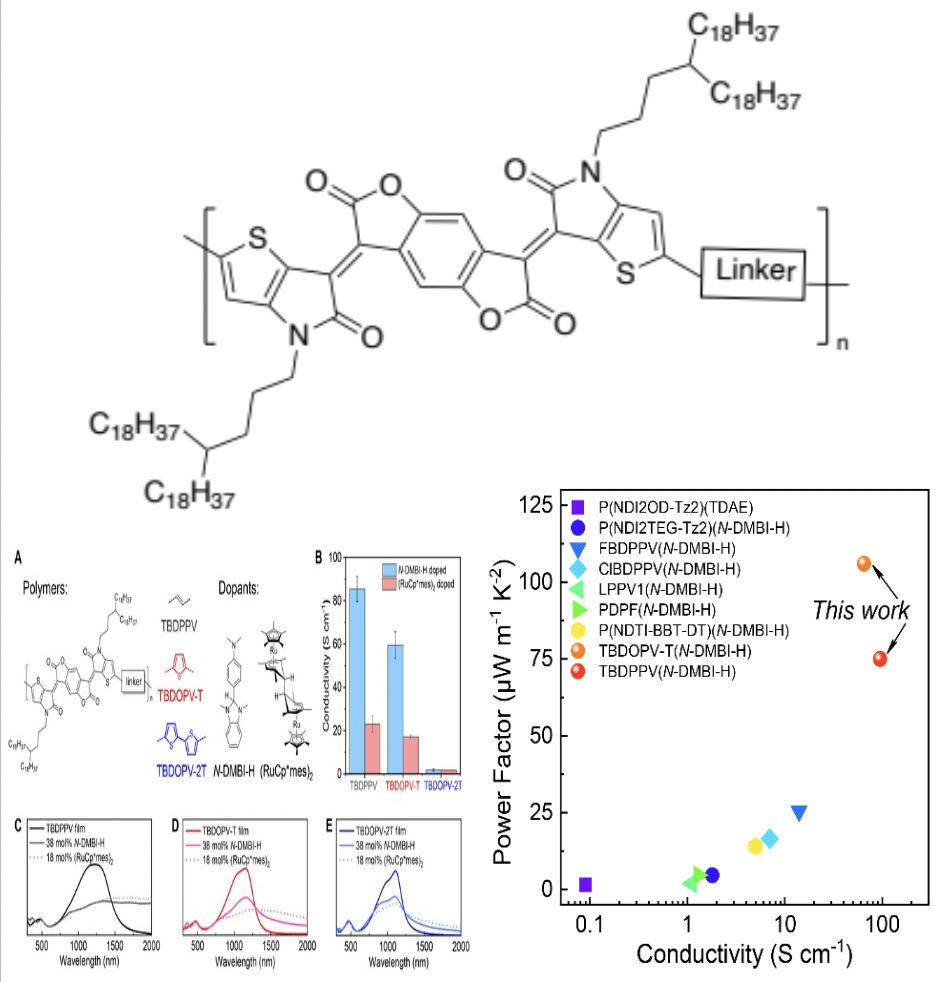
High Conductivity N-doped Polymers
11/30/2020 | Seth Marder and Carlos Silva (Georgia Tech.)
The Marder/Silva groups have been collaborating with Jian Pei’s group at Peking University on understanding the role of dopant on the electrical and thermal conductivities of n-dopable polymers.
Photonic Funnels
10/21/2020
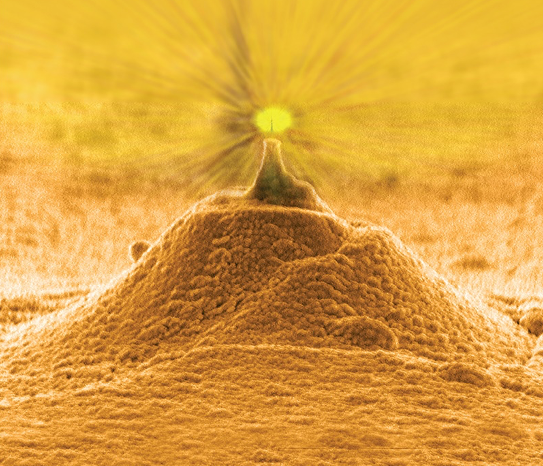
Efficient optical coupling between nano- and macroscale areas is strongly suppressed by the diffraction limit. This work presents a possible solution to this fundamental problem via the experimental fabrication, characterization, and comprehensive theoretical analysis of structures referred to as ‘photonic funnels’.
Excitons and Polarons in Organic Materials
10/20/2020
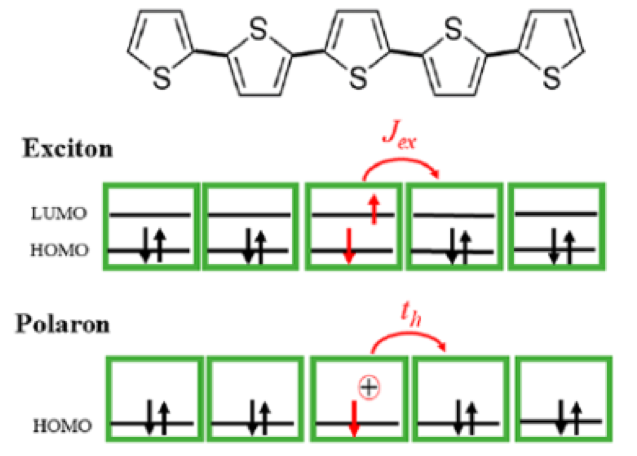
In this effort, the NSF DMREF team has developed a new theory for deciphering the features of the optical absorption spectra of conjugated polymers and organic aggregates.
Tunable Structural Color of Bottlebrush Block Copolymers via 3D Printing
10/19/2020 | Charles Sing, Ying Diao, Damien Guironnet, Simon Ro
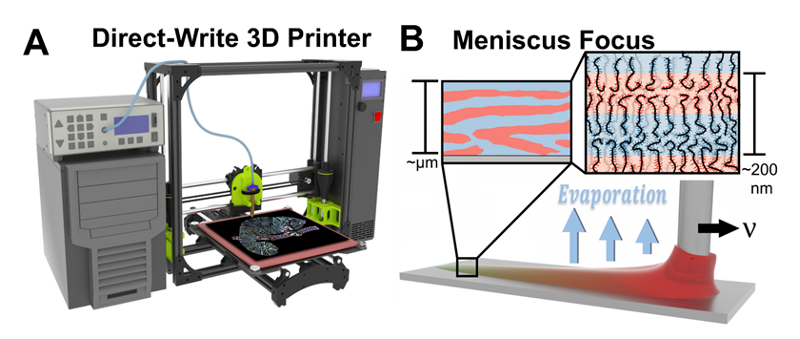
Mimicking the brilliant structure-based coloration of chameleons, butterflies, and opal requires creation of highly ordered layered structures at length scales a thousand times thinner than a human hair
Designing the World’s Brightest Fluorescent Materials
8/11/2020 | Krishnan Raghavachari and Amar Flood
The brightest fluorescent material has been created, solving a problem that’s persisted in the field for more than a century. While fluorescent dyes are potential key components of materials needed for applications including efficient solar cells, medical diagnostics, and organic light emitting diodes (LEDs), electronic coupling between them in the solid state quenches their emission. Small-molecule Ionic Isolation Lattices (SMILES) provide a solution to this long-standing problem.
Chemically-Responsive Liquid Crystals
6/16/2020 | Nicholas L. Abbott, Manos Mavrikakis, Robert J. Twieg
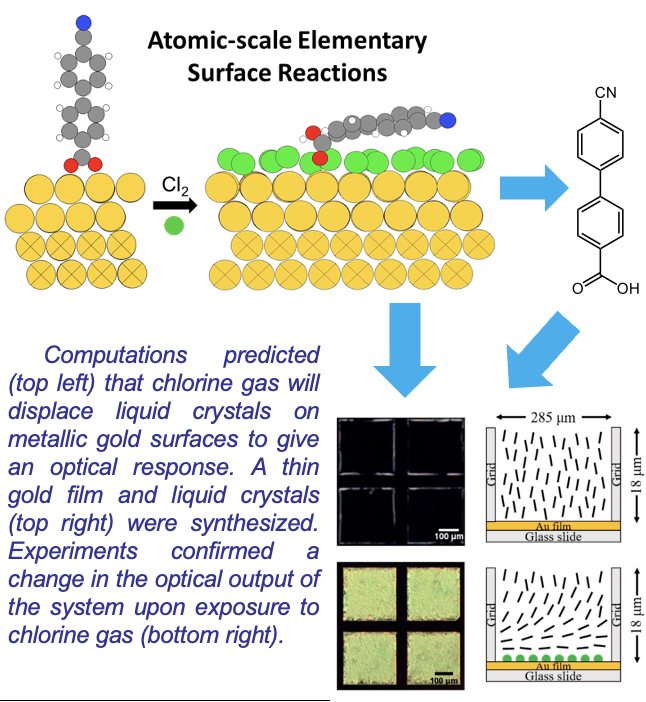
A collaborative team of computational researchers, chemists and chemical engineers has shown that it is possible to exploit reactions on metal surfaces to change the optical properties of organic materials, thus providing new ways to report specific surface reactions.

Color, Structure, and Rheology of a Bottlebrush Copolymer Solution
6/7/2020
A combination of high-end microscopy, rheology, and neutron scattering was used to show how the shear rate alters the structure and color of these bottlebrush polymer
Showing 191 to 200 of 245